
Holiday Season Mental Health Check-In for Parents
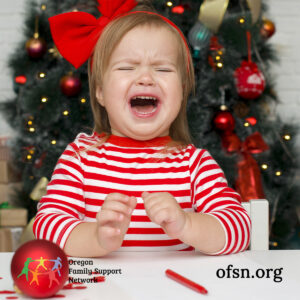
The holiday season can be a magical time filled with lights, laughter, and cherished traditions. It can also bring stress, exhaustion, and emotional strain, especially for parents. Between managing family expectations, financial pressures, disrupted routines, and heightened emotions, it’s easy to lose sight of your own well-being. This year, before you dive too deep into holiday activities, take a moment for a mental health check-in because you deserve care too.
Pause and Take Stock of How You’re Feeling
Before diving into the to-do lists and gatherings, pause and ask yourself:
-
How am I really feeling right now?
-
What’s been most stressful lately?
-
What do I need more (or less) of to feel balanced?
Acknowledging your feelings, whether that’s joy, anxiety, fatigue, or sadness, doesn’t make you ungrateful. It’s an act of honesty that helps you respond with compassion instead of burnout.
Redefine “Perfect”
Social media and family traditions can create pressure for the “perfect” holiday. But children and loved ones remember connection, not perfection. Try replacing “I should” with “I choose.” For example:
-
Instead of “I should bake cookies for every event,” try “I choose to make one batch and buy the rest.”
-
Instead of “We should attend every party,” say “We’ll attend what feels joyful and skip what drains us.”
You’re modeling healthy boundaries. This is a gift your children will benefit from for years to come.
Keep Routines (Mostly) Steady
Consistency provides comfort, especially for children who thrive on predictable structure. Try to keep sleep schedules, mealtimes, and screen-time expectations close to normal when possible. Small adjustments, like a quiet morning after a late night, help restore balance. Routines can be your anchor amid the season’s chaos.
Budget with Boundaries
Financial stress is one of the top holiday triggers. Before shopping, decide what’s realistic for your family and stick to it. Remember:
-
Experiences and time together often matter more than gifts.
-
Homemade, heartfelt presents can be deeply meaningful.
-
Saying “no” to extra spending is a form of self-care.
Your children need your emotional presence far more than more presents.
Protect Your Peace
It’s okay to protect your energy by saying no to gatherings that feel overwhelming or conversations that turn tense. If certain family dynamics or memories make the season harder, plan ahead for support — a friend to text, a calming walk, or a few minutes of deep breathing before and after visits.
Connect with Support
If you’re feeling isolated or emotionally heavy, remember you’re not alone. Reach out to:
-
Trusted friends or family
-
Parent support groups
-
A counselor or therapist
-
Organizations like the Oregon Family Support Network, which connect parents and caregivers with others who understand what it’s like to raise children with behavioral, emotional, or mental health challenges.
Model Self-Care for Your Children
When you take care of yourself, your children learn that their own feelings matter too. Let them see you resting, saying no, or taking time to breathe. Share with them that even grownups have big feelings, and that caring for mental health is part of a healthy, happy life.
Give Yourself Grace
You’re doing your best in a season that asks a lot. Try to celebrate the small, quiet victories — a shared laugh, a moment of calm, or simply making it through the day. Your presence, love, and authenticity are the best gifts you can give your family.
Reach Out and Connect
If this season feels heavier than you expected, you don’t have to carry it alone. The Oregon Family Support Network is here to walk alongside you with understanding and connection. Our family peer support specialists are parents and caregivers who have been where you are. Whether you need someone to listen, share ideas, or help you find resources, we’re just a call or click away.
Call our Parent Warmline: 1-833-732-2467 or visit ofsn.org
Reach out today and let us support you through the holidays — and beyond.