
Raising Kindness: Helping Children Navigate Bullying and Build Healthy Relationships
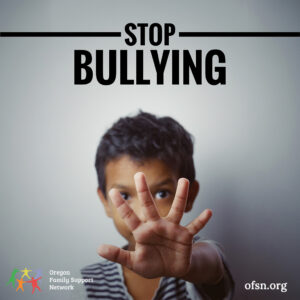
Every parent wants their child to feel safe, accepted, and valued. We want them to have friends, feel confident at school, and know they belong. But growing up also means navigating complicated relationships, hurt feelings, peer pressure, and sometimes bullying.
For families, bullying can be especially difficult because it isn’t always easy to recognize. A child may be experiencing bullying without telling anyone. Another child may be participating in bullying behavior without fully understanding the harm they are causing. And sometimes, a child can experience bullying in one situation and engage in bullying behavior in another.
At Oregon Family Support Network, we believe children do best when they have caring adults who listen, guide, and support them. Preventing bullying isn’t just about teaching children to be nice. It’s about helping them develop empathy, understand boundaries, manage emotions, and build healthy relationships.
And that work begins with us.
When Your Child Is Being Bullied
Bullying is more than an occasional disagreement or an argument between friends. It involves unwanted, aggressive behavior, a real or perceived imbalance of power, and behavior that happens repeatedly or is likely to happen again.
Bullying can take many forms, including name-calling, threats, physical aggression, deliberate exclusion, spreading rumors, and hurtful messages online.
Children don’t always tell their parents when something is wrong. They may feel embarrassed, worry that speaking up will make things worse, or believe adults won’t understand.
Instead, you might notice changes in their behavior. A child who once enjoyed school may suddenly complain of stomachaches or ask to stay home. They may become withdrawn, have trouble sleeping, lose interest in activities, or seem unusually anxious or irritable.
If you suspect your child is being bullied, start with connection rather than questions that feel like an investigation.
Try saying:
-
“I’ve noticed you haven’t seemed like yourself lately. Is something going on?”
-
“You deserve to feel safe at school and with your friends.”
-
“Thank you for telling me. I’m glad you trusted me.”
-
“We can figure out what to do together.”
Avoid telling your child to simply ignore it, toughen up, or fight back. While these responses may come from a desire to help, they can leave children feeling responsible for stopping behavior they didn’t cause.
Instead, listen carefully, take their concerns seriously, and work with them to identify safe adults and practical next steps.
If the bullying happens at school, document what your child shares and contact the appropriate school staff. Ask how the school will address the behavior, protect your child from retaliation, and follow up.
Most importantly, remind your child that being bullied does not define who they are, and they do not have to handle it alone.
What If Your Child Is the One Doing the Bullying?
This may be one of the hardest conversations a parent can have.
Learning that your child has hurt, intimidated, excluded, or repeatedly targeted another child can bring up embarrassment, anger, disbelief, or defensiveness.
You may find yourself thinking, “My child would never do that.”
But children are still learning how to manage emotions, navigate social relationships, and understand the impact of their choices. Even children who are caring and compassionate can engage in hurtful behavior.
A child who bullies others is not automatically a bad child. But the behavior does need to be addressed.
The first step is to stay calm and get curious.
Rather than beginning with accusations or shame, ask questions that help you understand what happened.
“What was going on before this happened?”
“How do you think the other child felt?”
“What were you hoping would happen?”
“What could you do differently next time?”
There may be many reasons a child engages in bullying behavior. They may be trying to fit in, gain social status, respond to insecurity, or cope with emotions they don’t know how to express. Some children who bully others have also experienced bullying, trauma, or other stressful situations.
Understanding the reason doesn’t excuse the behavior. It helps adults respond in ways that support real change.
Children need clear boundaries and accountability, but they also need opportunities to learn.
Help your child understand the impact of their actions, practice healthier ways to respond to conflict, and take appropriate steps to repair harm when it is safe and meaningful to do so.
Avoid labeling your child as “a bully.” Instead, focus on the behavior and the choices they can make moving forward.
There is a powerful difference between telling a child, “You are a bully,” and saying, “What you did hurt someone, and we’re going to work together to make sure it doesn’t happen again.”
One creates shame. The other creates an opportunity for growth.
The Part Parents Play: What Are Our Children Learning From Us?
Here’s a question worth asking during National Bullying Prevention Month:
Are we modeling the behavior we want our children to show others?
Children learn about relationships long before they can explain what respect, empathy, or bullying mean. They learn by watching how adults treat one another.
They notice how we talk about neighbors, coworkers, teachers, family members, and people whose opinions or lifestyles differ from our own.
They hear the jokes we make at someone else’s expense. They see how we respond when we’re frustrated. They watch what happens when someone makes a mistake.
And they pay attention to how we handle disagreement.
When children regularly hear adults mocking someone’s appearance, criticizing people behind their backs, using threats to get their way, or treating differences as weaknesses, those behaviors can begin to seem normal.
That doesn’t mean parents must be perfect. No one is.
But it does mean we have an opportunity to show children what accountability looks like in everyday life.
When we lose our patience, we can apologize.
When we disagree with someone, we can demonstrate respect.
When we hear someone being treated unfairly, we can speak up.
When our children make hurtful comments, we can address them rather than laugh them off.
And when we recognize that our own behavior may have caused harm, we can model what it means to take responsibility and make things right.
Children don’t need perfect role models. They need adults who are willing to practice the same kindness, respect, and accountability they ask of their children.
Teaching Children Not to Be Bystanders
Bullying doesn’t happen only between the child doing the bullying and the child being targeted. Other children often witness what is happening.
These bystanders can play an important role in changing the situation.
Some children may laugh along because they don’t want to become targets themselves. Others may remain silent because they don’t know what to do.
We can help children understand that standing up for someone doesn’t always mean confronting the person doing the bullying.
Sometimes it means inviting an excluded classmate to sit with them. Sometimes it means refusing to share a hurtful post. Sometimes it means checking on someone afterward or telling a trusted adult what happened.
Talk with your child about what they could safely do if they witnessed someone being mistreated.
You might ask, “If you saw someone being left out or picked on, what could you do to help them feel less alone?”
These conversations help children recognize that even small actions can make a meaningful difference.
Bullying Doesn’t Stop at the School Door
For many children and teens, social relationships continue long after the school day ends.
Group chats, gaming platforms, social media, and text messages can become places where children experience exclusion, humiliation, threats, or harassment.
Cyberbullying can feel especially overwhelming because hurtful content may be shared quickly, seen by many people, and remain accessible long after it was posted.
Parents don’t need to understand every new app or online trend to support their children.
What matters most is creating an environment where children feel comfortable talking about what happens online.
Ask about their digital friendships. Talk about what respectful communication looks like in a group chat. Discuss why sharing an embarrassing photo, forwarding a rumor, or participating in an online pile-on can cause real harm.
If your child experiences cyberbullying, help them save evidence, block or report harmful accounts when appropriate, and identify adults who can help.
And make sure they know they can come to you, even if they made a mistake online.
Fear of losing access to a phone or favorite app can sometimes keep children from asking for help when they need it most.
When Bullying Affects a Child’s Mental Health
Bullying can have lasting effects on a child’s emotional well-being.
Children who experience bullying may struggle with anxiety, sadness, loneliness, low self-esteem, or feeling unsafe. For children already navigating mental health challenges, learning differences, disabilities, or difficult family circumstances, bullying may add another layer of stress.
Children who engage in bullying behavior may also need support with emotional regulation, relationships, or other challenges affecting their well-being.
Parents don’t have to wait until a situation becomes a crisis to reach out for help.
If your child is showing ongoing changes in mood, behavior, sleep, friendships, or school participation, consider talking with a school counselor, pediatrician, or mental health professional.
If your child talks about suicide, self-harm, or feeling hopeless, take those statements seriously and seek immediate support. In the United States, call or text 988 for crisis support.
Early conversations, supportive relationships, and access to appropriate services can make a meaningful difference.
Five Things Families Can Practice This Month and Beyond
National Bullying Prevention Month is a reminder that prevention happens through everyday choices, not just special assemblies or awareness campaigns.
Here are five ways to bring those conversations home:
-
Make connection a daily habit. Spend a few minutes checking in with your child about friendships, feelings, and experiences without immediately trying to solve every problem.
-
Talk about the difference between conflict and bullying. Help children understand that disagreements happen in relationships, but repeated targeting, intimidation, and misuse of power are different.
-
Practice empathy without removing accountability. Children can learn to understand someone else’s feelings while also taking responsibility for their own actions.
-
Pay attention to your own words and actions. Notice how you speak about others, especially when you’re frustrated or disagree with them.
-
Remind children that asking for help is a strength. Whether they’re experiencing bullying, witnessing it, or struggling with their own behavior, they deserve guidance and support.
Raising Children Who Know They Belong
Every child deserves to feel safe, respected, and connected.
That includes the child who is being bullied, the child who is struggling with hurtful behavior, and the child who isn’t sure how to help a friend.
Our role as parents and caregivers isn’t to make every difficult interaction disappear. It’s to give children the tools, relationships, and confidence they need to navigate those experiences in healthier ways.
We can teach them that kindness doesn’t mean accepting mistreatment. That accountability doesn’t have to mean shame. That differences deserve respect. And that everyone has the ability to learn, grow, and make better choices.
Perhaps one of the most important messages we can give our children is this:
You deserve to be treated with kindness, and so does everyone else.
You Don’t Have to Navigate This Alone
At Oregon Family Support Network, we know parenting can be complicated, especially when our children are struggling with friendships, school experiences, behavior, or emotional well-being.
Our Parent Warmline connects Oregon parents and caregivers with Family Support Specialists who have lived experience navigating challenges with their own families.
Whether you’re concerned that your child is being bullied, struggling with your child’s behavior toward others, or simply need someone who understands, we’re here to listen and help you explore next steps.
You don’t have to have all the answers before reaching out. Because supporting children means supporting the families who care for them.
_______________________________________________________________
Oregon Family Support Network is a statewide organization led by and for families who have children and youth with mental health challenges and developmental disabilities. Learn more at ofsn.org