
Men’s Mental Health Awareness Month
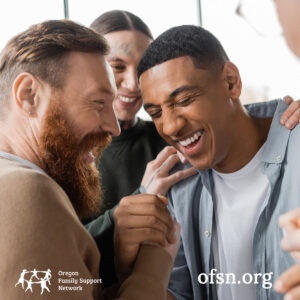
Men’s Mental Health Awareness Month is an opportunity to raise awareness about the challenges many men face and to encourage open conversations about emotional well-being. It is also a time to recognize the important role families and communities can play in supporting the men in their lives.
One of the biggest challenges is that many men have been taught that talking about emotions or asking for help is a sign of weakness. Cultural expectations, family messages, and societal norms can make it difficult for men to openly discuss their mental health or seek support when they need it. Yet meaningful conversations and connection are often important first steps on the path toward healing and wellness.
Concerning Statistics
The statistics surrounding men’s mental health are significant. Men account for nearly 80% of suicide deaths in the United States. They are also more likely to experience incarceration, engage in violent behavior, and misuse alcohol or other substances. At the same time, nearly 40% of men report that they have never spoken to anyone about their mental health. These numbers highlight the importance of reducing stigma and creating opportunities for men to seek support without fear of judgment.
Signs to Look For
Mental health challenges can show up in many different ways. Some men may become more withdrawn or irritable, while others may experience mood changes, engage in risky behaviors, or increase their use of alcohol or other substances. Additional signs can include fatigue, unexplained aches and pains, changes in appetite, withdrawing from social activities, loss of interest in work or hobbies, and difficulty managing daily responsibilities. Noticing these changes may be an indication that additional support is needed.
Ways to Help
There are many ways families and communities can offer support. Start by creating opportunities for open, judgment-free conversations and letting the men in your life know that it is okay to talk about what they are experiencing. Encourage them to connect with a healthcare provider or mental health professional if they are struggling. Support can take many forms, including counseling, medical care, peer support, healthy lifestyle changes, and community connections.
Perhaps most importantly, we can help break the stigma surrounding men’s mental health by modeling openness and emotional honesty. When fathers and other caring adults talk openly about their feelings, they show younger generations that asking for help is a sign of strength, not weakness.
When families create safe spaces for fathers, sons, partners, grandparents, and other loved ones to share their experiences, they send a powerful message: you matter, and you do not have to carry this alone. By working together, we can encourage more conversations, strengthen connections, and help ensure that everyone feels supported when they need it most.
At Oregon Family Support Network, we know that parenting and caregiving do not pause during the summer months. Our team is here to support families through every season, including periods of transition and change. The Reach Out Oregon Parent Warmline offers free, confidential support from Family Support Specialists who have lived experience navigating behavioral health challenges and complex family systems.
Whether you need help finding resources, someone to listen, ideas for supporting your child, or reassurance that you are not alone, support is available. Families can connect with the Reach Out Oregon Parent Warmline by calling, texting, chatting, or scheduling a Zoom meeting at 1-833-732-2467.
Sources:
-
Centers for Disease Control and Prevention (CDC): Suicide Data
-
American Psychiatric Association: Stigma and Discrimination
_______________________________________________________________
Oregon Family Support Network is a statewide organization led by and for families who have children and youth with mental health challenges and developmental disabilities. Learn more at ofsn.org